[Week 14] On Writing, Space, and the Blog
This update is coming to you from the car. Taylor and I are currently en route to Sioux Falls to cheer on runners in this weekend’s marathon—a strange but fitting place for a muse to strike. Writing requires regular practice, strength, and flexibility—not to mention the issue of settling on a topic. After much deliberation, I finally have an update to share.
In class this week, we read excerpts from Stephen King’s On Writing. His words brought me back to freshman year, when we were asked to explore the what, how, and why of our own written productions. I thought about my middle school Tumblr, the typo-ridden Facebook posts from high school, and my updates on CaringBridge. I remembered my COVID journals, my New Zealand travel diaries, my early school assignments, and the romantic recipe logs I once kept. I thought about all the other blogs I’ve started over the years—and why I abandoned them.
In class, we weren’t asked about the times we didn’t want to write. There was no talk of writers block, nor the slow drain that comes with waiting for inspiration to strike.
In theory, I have plenty of topics. To put it mildly, my history with illness—and the life I’ve built beyond it—is unique. It’s a never-ending wealth of stories, just waiting to be packaged into bite-sized doses of inspiration porn. But that kind of writing only works when it happens organically, with the right tools in hand. How and when I write it isn’t something I fully manage yet—and it’s certainly not for anyone else to dictate.
When I first started working at Hobbiton in 2022, I was asked to write a short introduction for our work social media platform. This wasn’t standard practice—it was purely the result of my individual and inspirational journey to the set. I agreed with genuine enthusiasm, excited to craft my own narrative, but when I sat down to write… I froze.
King spoke of a “writer’s toolbox,” but alone and unprepared in New Zealand, I had none of it—no computer, a limited vocabulary, and messy spelling. Progress was slow, and my prose… virtually nonexistent.
[“It would be really funny if you spelled ‘prose’ wrong after that sentence.” – Taylor]
King described taking time each day to write, but I had just started working in a kitchen. It was good work, but physically demanding. Each day was bookended by a bike ride—I’d pedal hard in the early hours of sunrise and sail home the same way at twilight. After showering, cooking, and keeping up with my diary, I had maybe 2% of my brain left for other writing assignments.
Frustration with fundamentals led to emotional struggles—first about my inability to write, then about the topic at hand.
My journey to New Zealand had been about finding an identity beyond illness. Yet there it was, quietly creeping back in. After all, that’s why I’d been asked to write—and why I got the job in the first place.
At work, I couldn’t stop talking about my past, but at home, putting pen to paper felt much harder. Writing made my narrative feel tangible and complete—the thought of which filled me with dread. To write this piece, I first had to acknowledge my scars and bring resolution to my story. I thought I was ready. I was wrong.
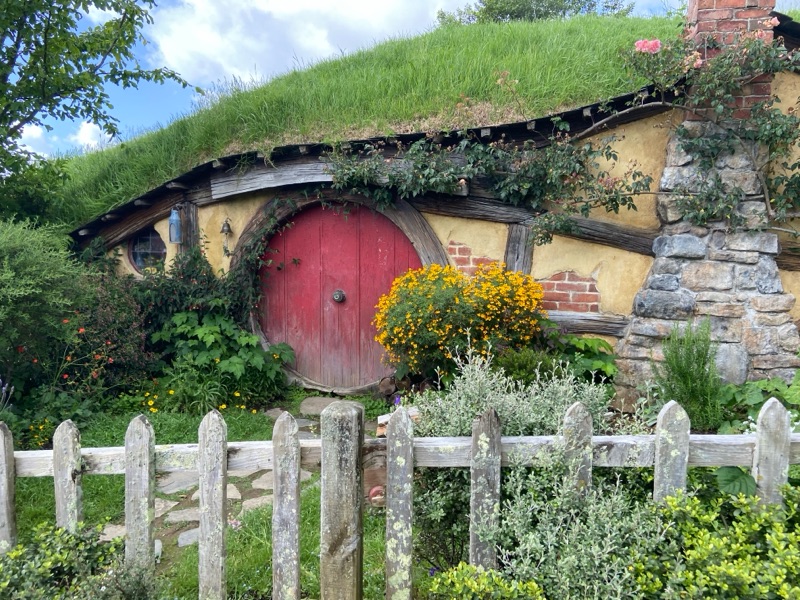
How do you tell a story like mine?
How do you tell it when it’s still unfolding?
What do you include, and what do you leave out?
How could my life story offer lessons beyond simply being an antidote or, worse still, a gimmick?
How could I ever squeeze it into one short essay, one conversation, or anything less than a feature-length film? (See also: trilogy?)
But my most pressing issue was space. King’s method demands room to build the focus and presence I lacked. I was living in a small shack off State Highway 29, surrounded by cinder-block walls and crafting my script while perched on a cold, damp mattress.
I got help at work in the office tucked behind the kitchen, stubbornly agreeing to this support only as a much-welcomed respite for my tired knees. Even with that assistance and dedicated work time, it still took me several weeks to write something I felt comfortable sharing.
The historian in me reflects on change over time, while the optimist in me celebrates progress.
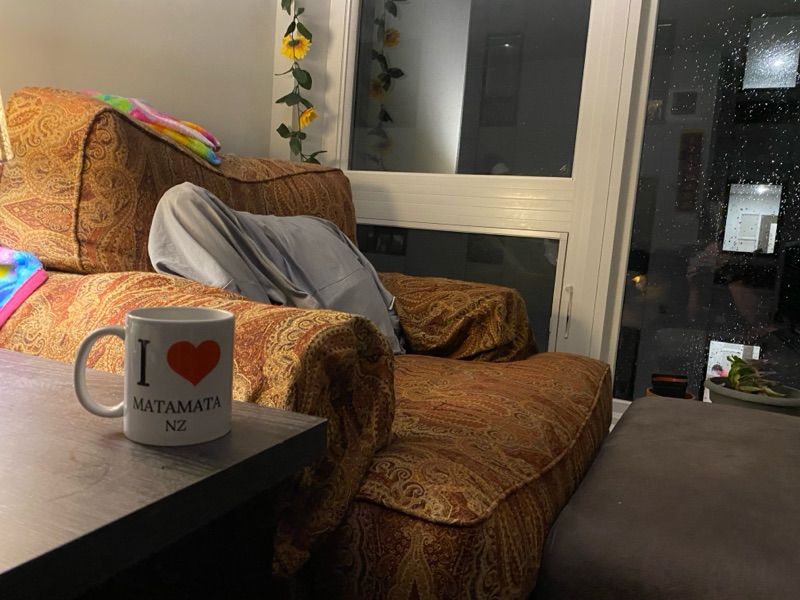
At 5:45 each morning, my alarm stirs me awake. I stretch, brew a cup of tea, and settle cross-legged into my overstuffed armchair. Opening my laptop, my fingers find the letters, and I begin. The steady clacking of keys mingles rhythmically with my murmurs of frustration; dawn breaks softly over the Minneapolis skyline, visible just beyond the edge of my screen—I am at peace. It feels as productive and healthy as my old early morning runs used to.
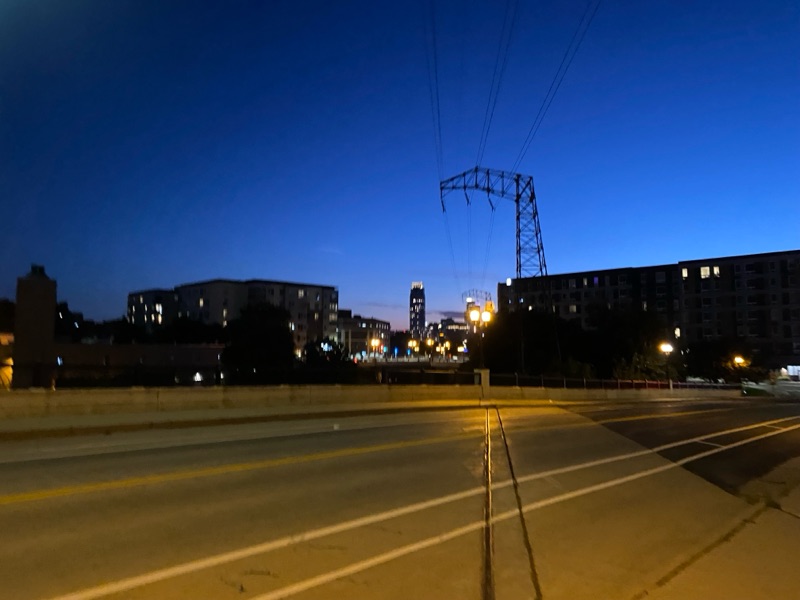
Lately, making space for writing has been on my mind in a more literal way. Taylor and I are apartment hunting as we prepare for New Zealand visa requirements. We’re looking for a stable space—something with enough room for both of us and, importantly, space for my writing chair.
Finding the right place hasn’t been easy, but we’ve made progress. Yesterday, we toured a simple two-bedroom unit that meets all our needs. Application submitted. Fingers crossed.
There are many bridges to cross on this road. I wish they could all be solved with a comfy chair and a hot cup of tea in the early morning. But my writing—and the greater hopes for my story—require more than that. They demand space: physical, mental, and emotional. The right mindset. The right tools. Mostly, they require patience.
This blog has become a reason to write, a way to remember, and a space to document the obstacles I have and will encounter along the way. It’s a manageable way to share my story on my terms—without forcing the process or giving in to the pressure of inspiration. I plan to post updates here each weekend as time allows, and share links to them on my social media sites.
With that commitment in mind, until next week.
—Hannah

This is the first I’ve read of your blog, Hannah, and criminy. I’ve read this post twice now. I know you’re not doing it for praise, but your writing is so beautiful. The honesty, the prose, the voice. I just love it. You’re an old soul with a gift for modern language. Can’t wait to read the next one. Love you!
ReplyDeleteBecca Hurley Luong ❤️❤️❤️